How to Plan a Successful Stakeholder Convening
The best convenings are designed backwards from the outcome. Here is how we think about purpose, the room and the follow-through when senior stakeholders gather.
Generosity follows meaning. How to design fundraising events where storytelling, dignity and clear purpose do more than any appeal from a stage.
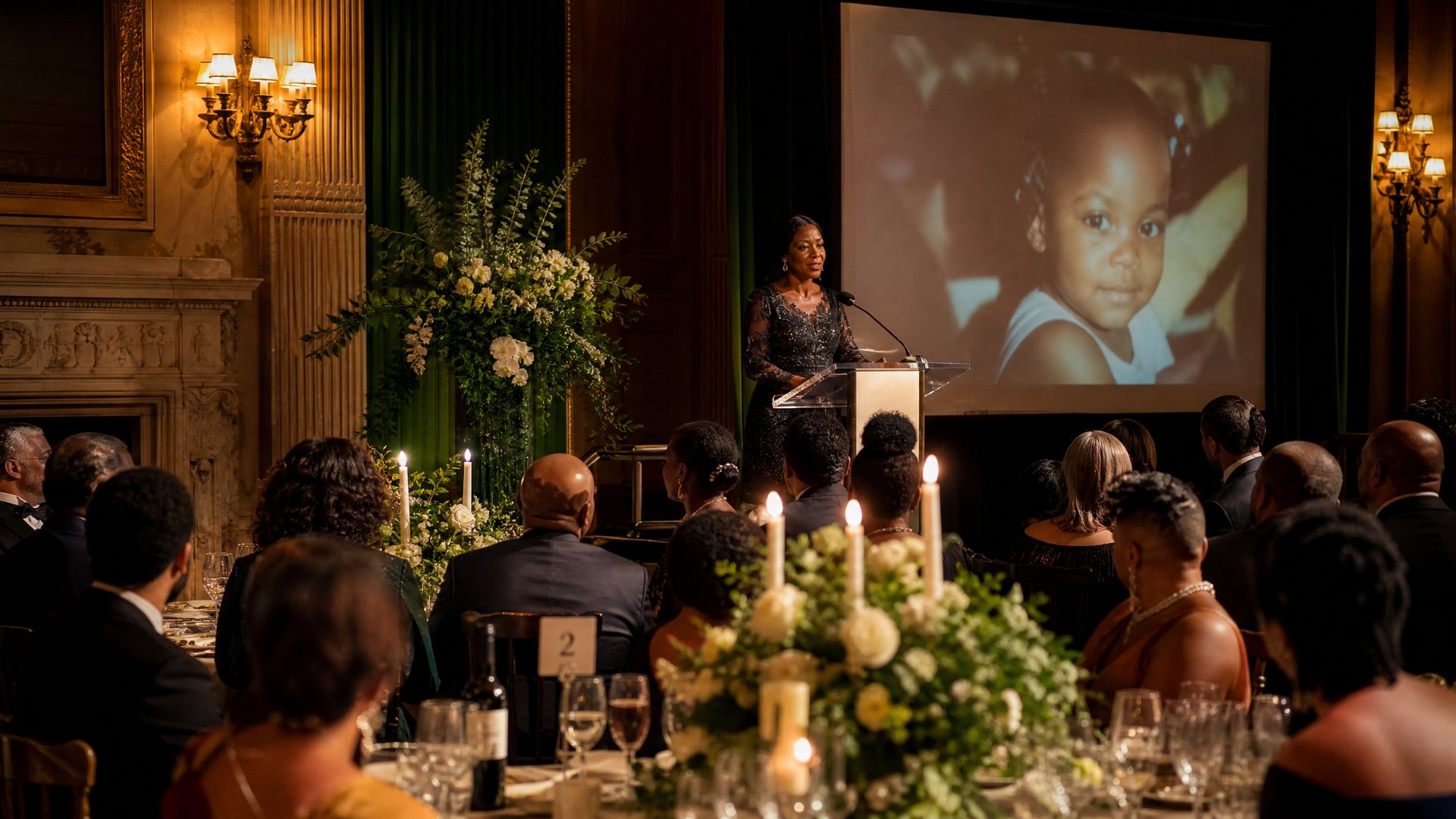
The most successful fundraising events are rarely the loudest ones. They are the evenings where guests understand precisely why the cause matters, feel genuinely connected to the people it serves, and are given a dignified, well-timed way to respond. Generosity follows meaning, and meaning has to be designed.
An appeal lands only as well as the story that precedes it. Before any fundraising moment, guests should understand three things: the problem in human terms, the organisation's distinctive answer to it, and the evidence that their contribution changes something real. This is a narrative arc, and it should shape the whole programme rather than being compressed into a single speech.
Handle beneficiary stories with particular care. People are not case studies. Wherever possible, let people speak for themselves, on their own terms, with their dignity fully intact. Audiences can feel the difference between testimony and performance, and they respond to the former.
The fundraising moment deserves the same curation as everything else. Decide its form early: a live appeal with a skilled lead, a pledge card at each setting, a silent auction of genuinely desirable lots, or a quiet commitment conversation for major donors away from the room. Time it for when connection is at its peak, usually after the strongest story and before the energy of the evening begins to soften.
Make giving frictionless. Every extra step between intention and contribution costs the cause. And make gratitude immediate: acknowledgement in the room, where appropriate, tells every guest that generosity is seen.
A fundraising event carries a serious duty of care: to donors, whose trust must be repaid with transparency, and to the mission, which deserves an event that costs meaningfully less than it raises. Budget with discipline, negotiate with suppliers who believe in the cause, and measure everything: attendance, funds raised, new donors acquired, pledges converted.
A guest who gives once at a warm, well-run event is at the start of a relationship, not the end of a transaction. Report back on what their giving achieved. Invite them into the work between events. The annual gathering then stops being an annual ask and becomes the celebration of a shared year of impact, which is what the best fundraising experiences ultimately are.

Sade Adesakin
Founder, Victoria L Events. Sade writes on the craft of purposeful gatherings for purpose-led organisations, leaders and institutions across the UK.
The best convenings are designed backwards from the outcome. Here is how we think about purpose, the room and the follow-through when senior stakeholders gather.
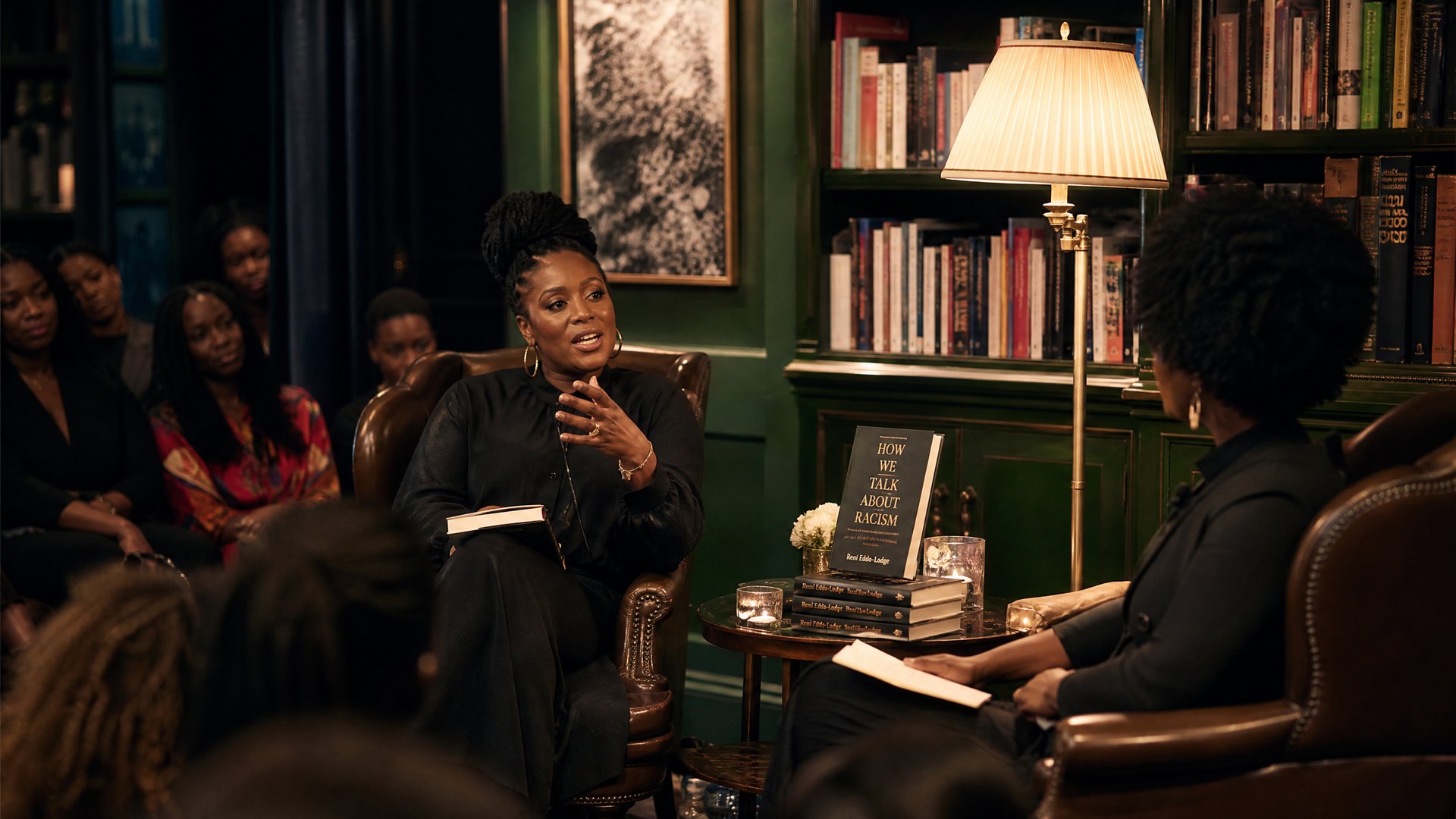
A book launch is the public beginning of a body of work. The strongest launches are built around the story, the audience and what should happen after the applause.
Tell us what you are bringing people together to achieve.