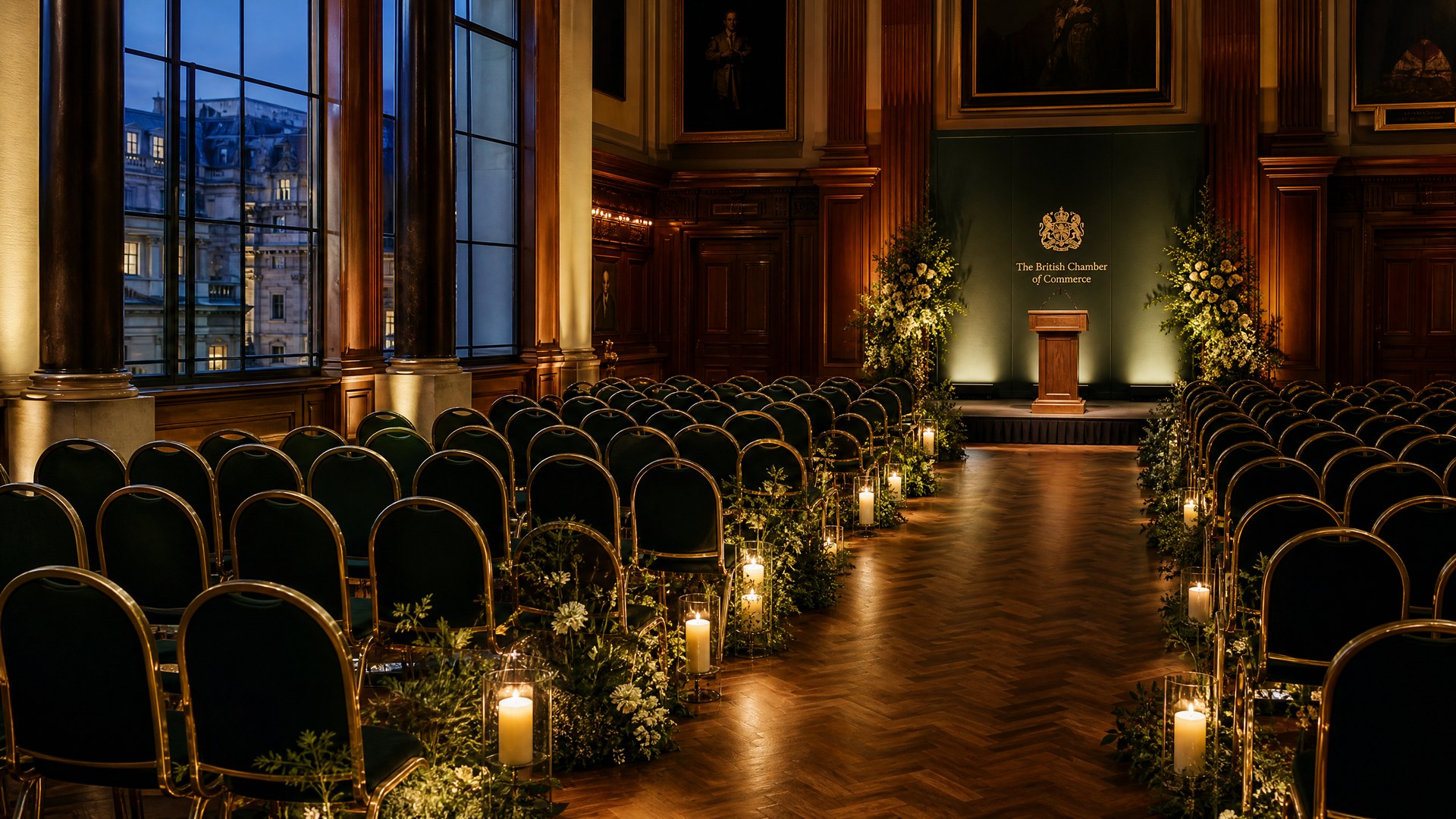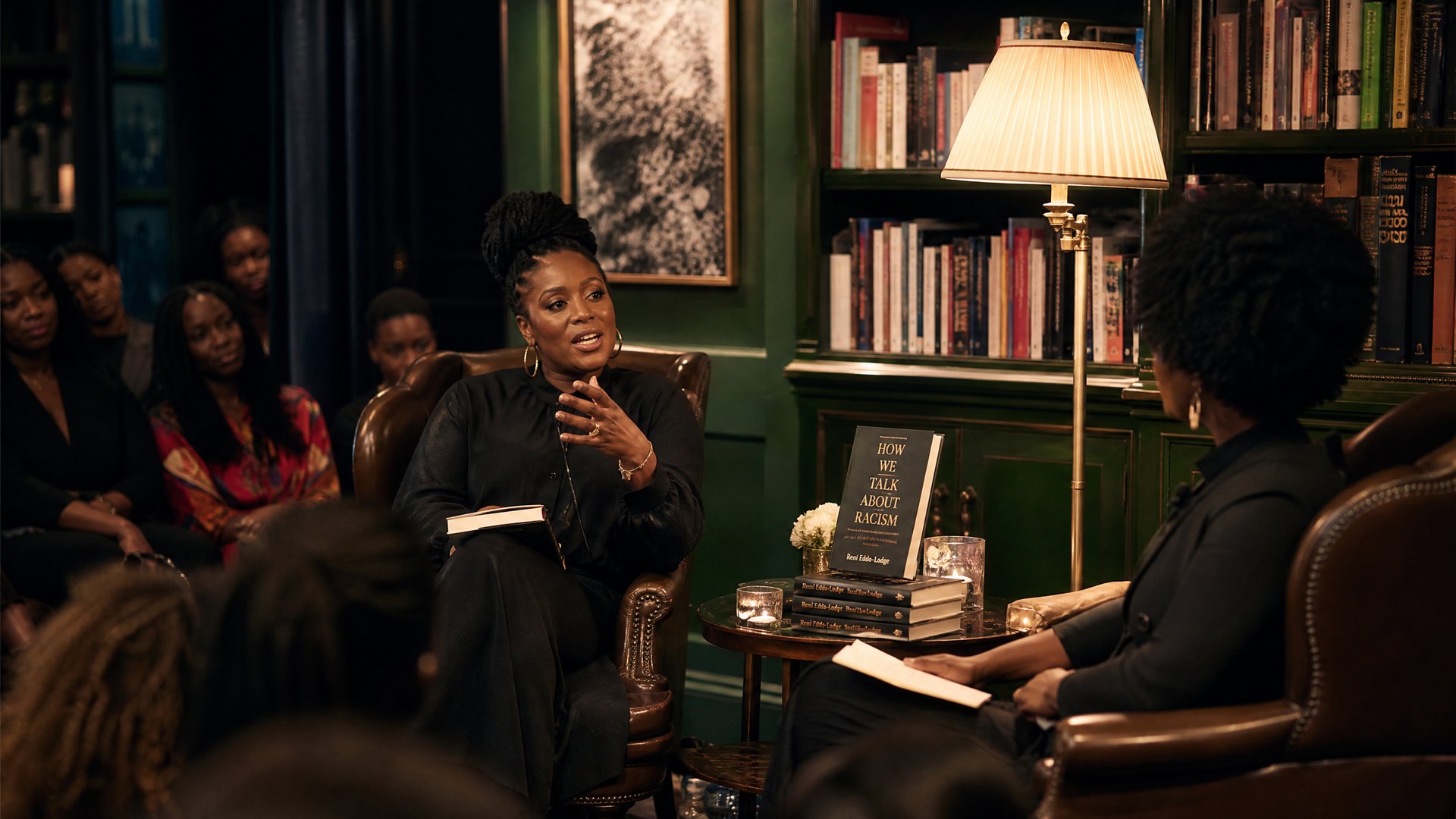
How to Structure an Effective Book Launch
A book launch is the public beginning of a body of work. The strongest launches are built around the story, the audience and what should happen after the applause.
The best convenings are designed backwards from the outcome. Here is how we think about purpose, the room and the follow-through when senior stakeholders gather.
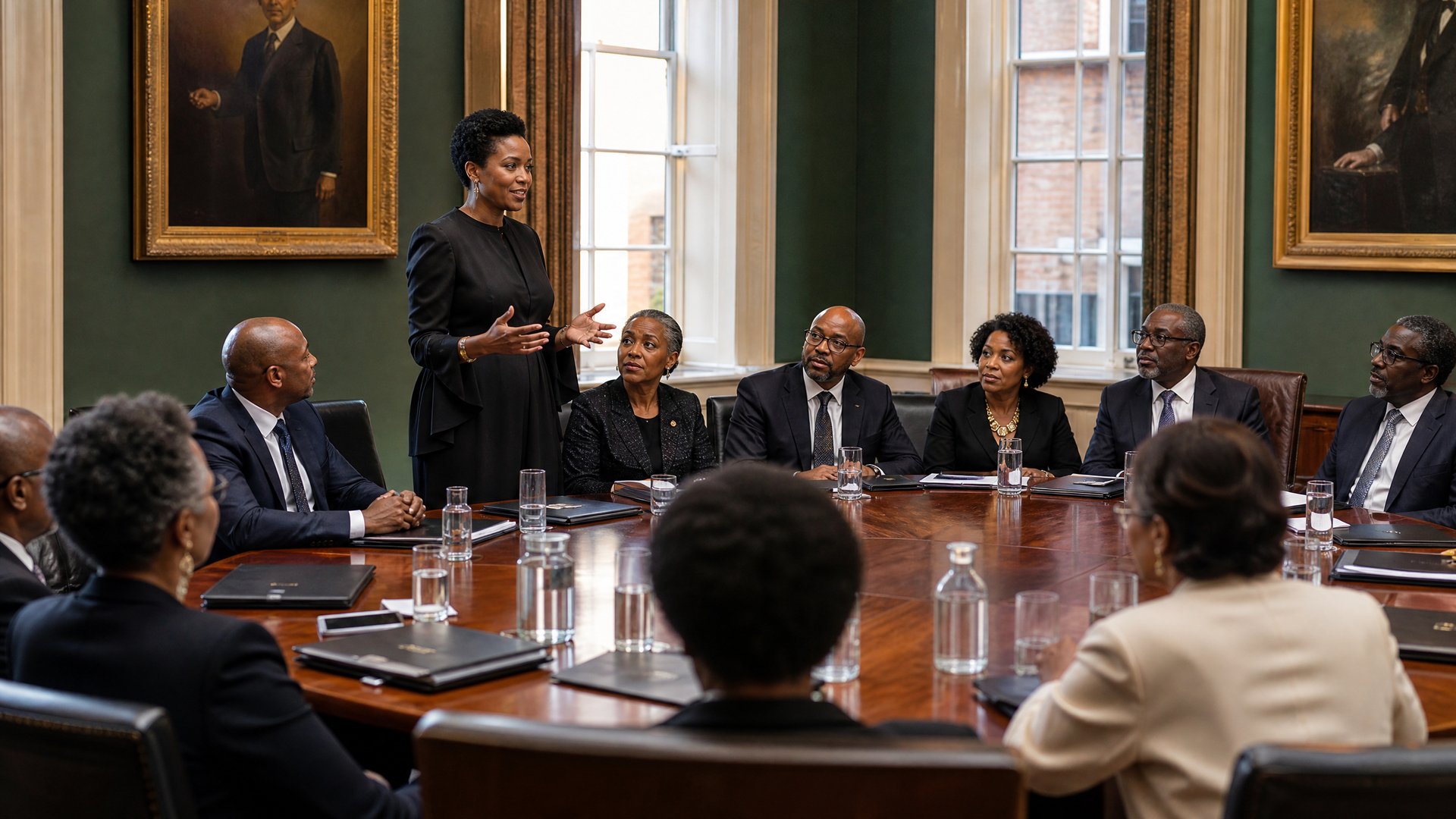
A stakeholder convening is not a meeting with better catering. It is a deliberate act of bringing particular people into a room because something needs to move: a policy conversation, a partnership, a shared commitment, a decision that has been circling for months.
The convenings that work are designed backwards from the outcome. Before a venue is considered or a date is proposed, three questions deserve honest answers. Why are these people gathering now? What should the gathering achieve that correspondence and individual meetings cannot? And what should participants understand, feel or do differently when they leave?
The guest list is the strategy. A convening of twenty carefully chosen participants will usually outperform a gathering of a hundred general invitees, because the value sits in who is present and how they interact. Map your stakeholders deliberately: who holds decision-making authority, who carries influence, who brings lived experience the conversation needs, and who has been overlooked in previous rounds of engagement.
Once the room is right, consider the dynamics within it. Senior figures need to feel their time is respected. Community voices need to feel they belong rather than that they have been invited to perform. Funders need to see substance. These are different needs, and a well-designed programme holds all of them at once.
The strongest convenings feel open while being carefully structured. A framing address sets the terms. A moderated conversation guards against the loudest voice dominating. Working sessions with clear questions produce more than open discussion. And unstructured time matters just as much: many of the most important exchanges happen between the formal moments, so the schedule should protect space for them.
Moderation is a senior skill. A good moderator has read the briefing papers, knows the sensitivities and understands where the conversation should arrive without forcing it there. Invest in this role. It shapes the experience more than any other single decision.
When parliamentarians, executives or institutional leaders attend an event, protocol is not bureaucracy: it is how you communicate that the occasion has been taken seriously. Accurate titles, considered seating, precise timings, well-prepared briefing materials and clear arrival arrangements all signal competence before a word of the programme is spoken.
An event that generates warm conversation and no consequence has not achieved its purpose. Build the follow-through into the design: capture commitments in the room, agree next steps before guests depart, and send follow-up communications while the conversation is still alive. A convening is successful when, months later, people can point to what changed because of it.
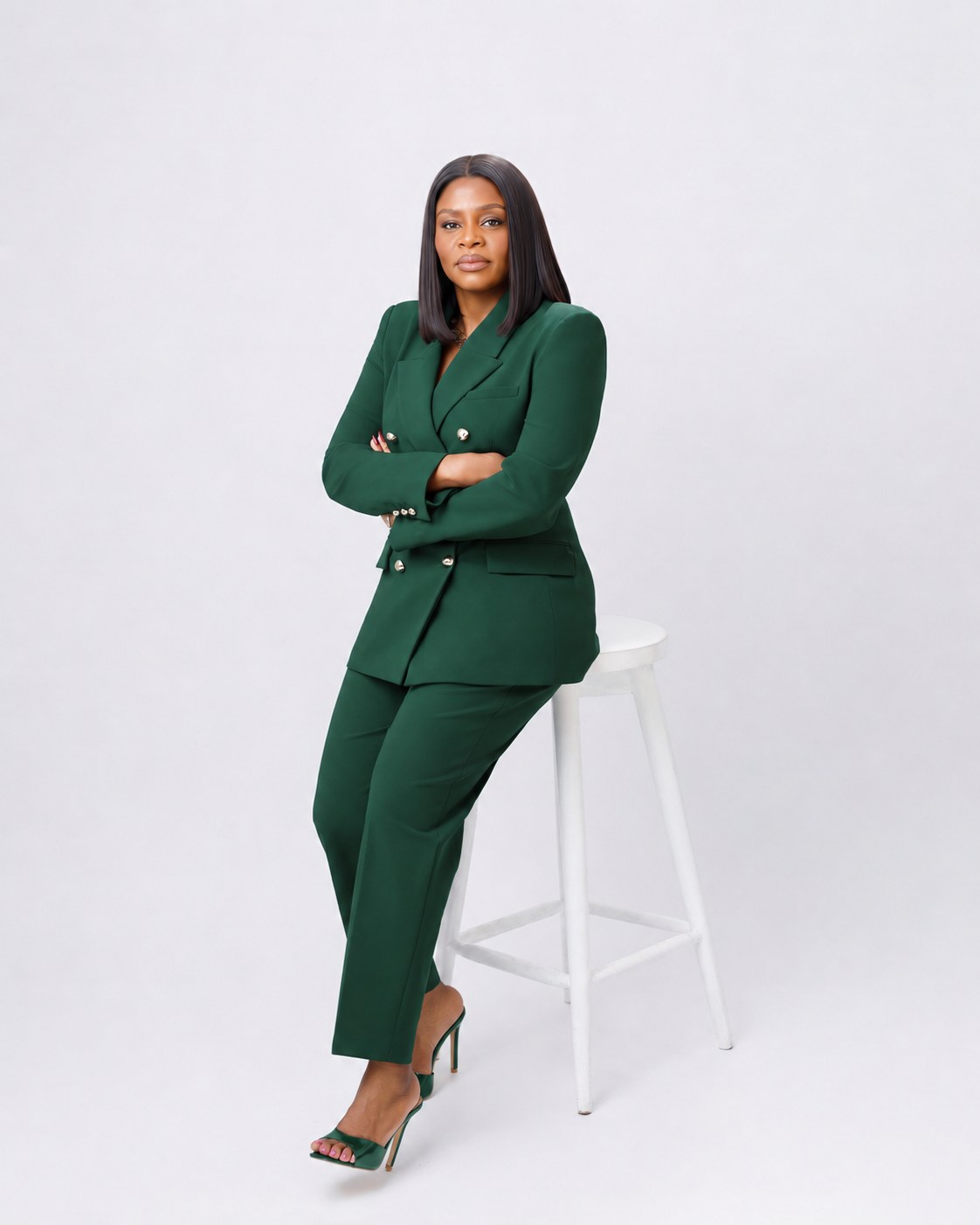
Sade Adesakin
Founder, Victoria L Events. Sade writes on the craft of purposeful gatherings for purpose-led organisations, leaders and institutions across the UK.
A book launch is the public beginning of a body of work. The strongest launches are built around the story, the audience and what should happen after the applause.
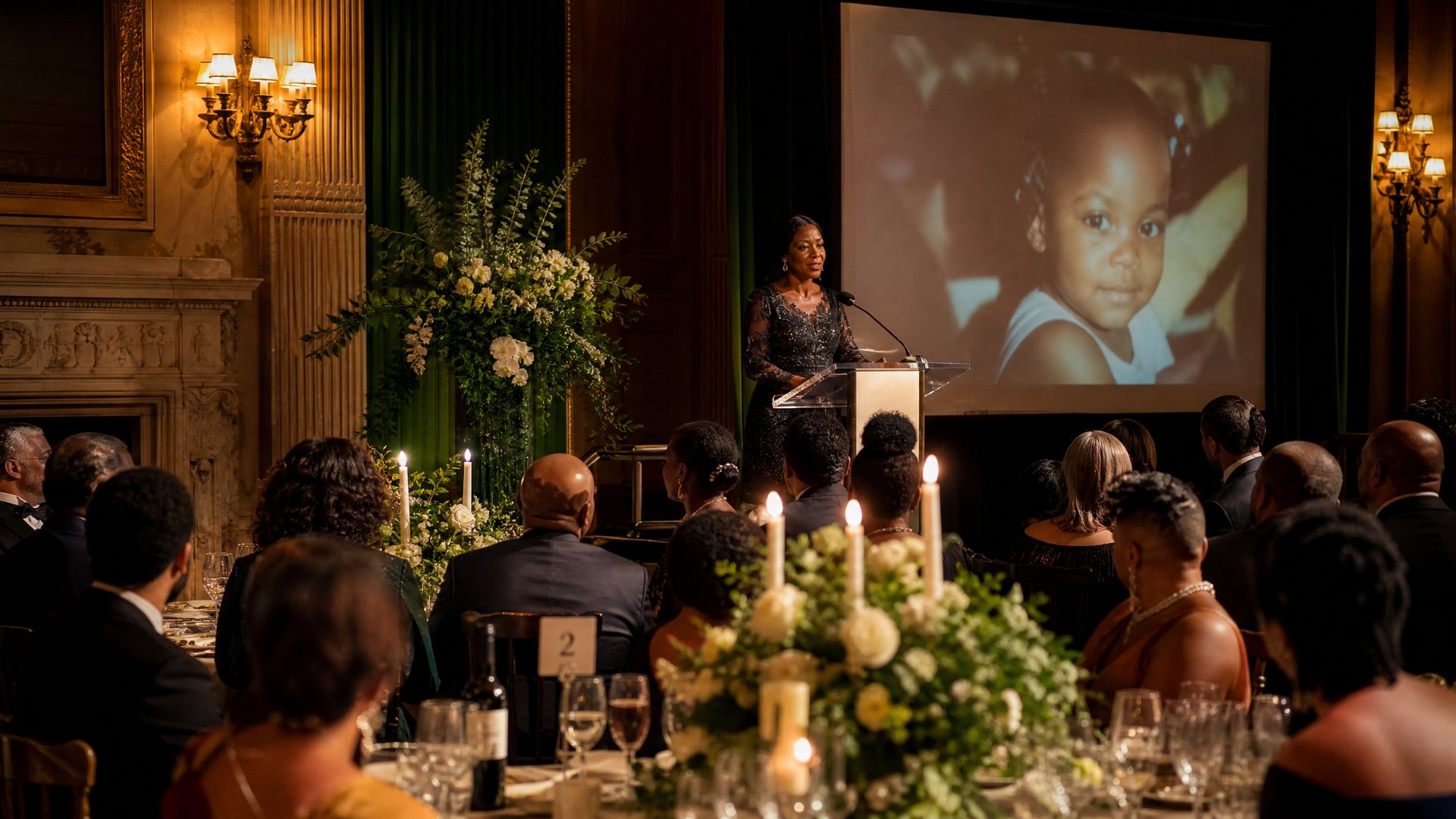
Generosity follows meaning. How to design fundraising events where storytelling, dignity and clear purpose do more than any appeal from a stage.
Tell us what you are bringing people together to achieve.